Understanding the Role of a New York Commercial General Contractor
Definition and Responsibilities
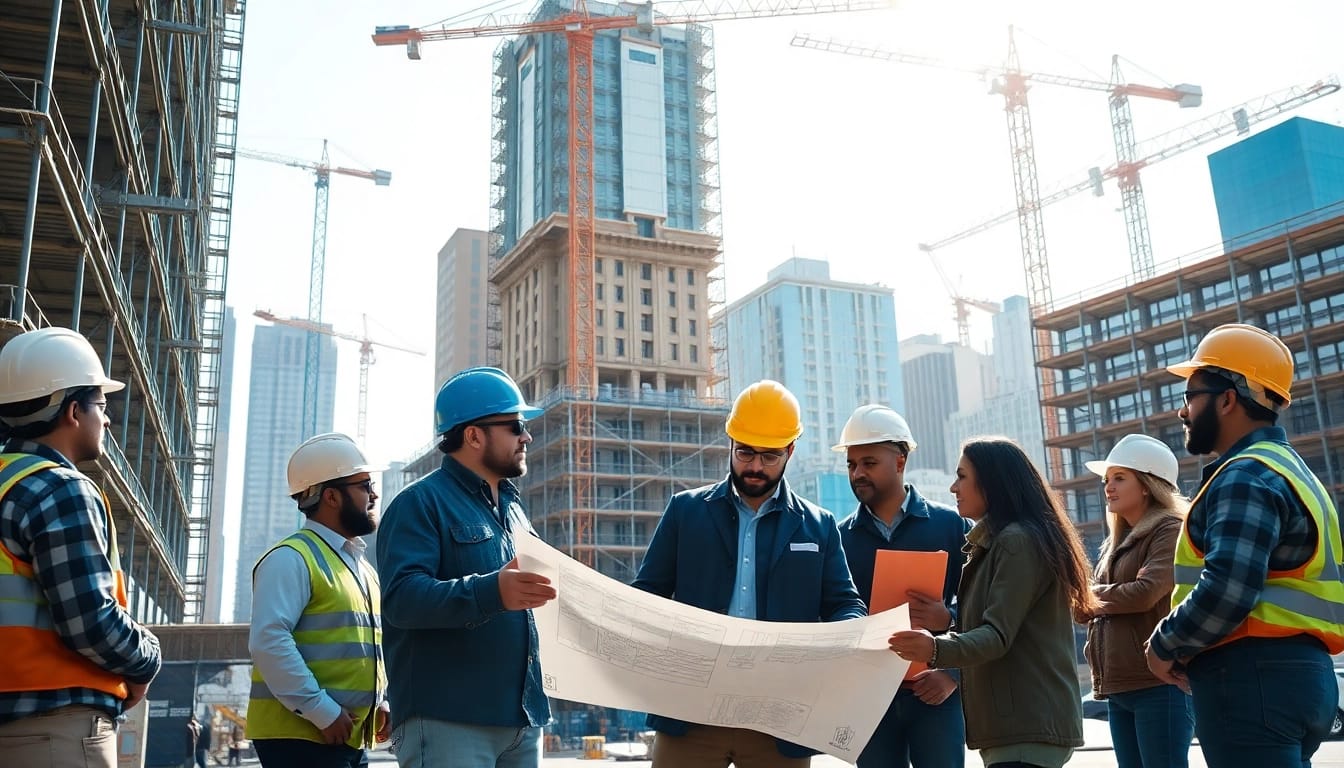
A New York Commercial General Contractor serves as the primary contractor for commercial construction projects, overseeing the entire construction process from start to finish. Their core responsibilities include project planning, coordinating with various stakeholders, managing subcontractors, and ensuring compliance with all safety and building regulations. This pivotal role demands a thorough understanding of construction methods, contract law, and industry standards.
Importance in Construction Projects
The presence of an experienced general contractor can significantly impact the success of a construction project. They act as the central point of accountability, ensuring that the project stays on budget and on schedule. By mediating between clients, architects, and subcontractors, a commercial general contractor can streamline communication and prevent misunderstandings that often lead to delays and increased costs. Their oversight extends to procurement of materials, workforce management, and regular project assessments, making them integral to maintaining quality and efficiency throughout the construction lifecycle.
Key Skills and Qualifications
Successful commercial general contractors typically possess a blend of educational background and practical experience. A degree in construction management, civil engineering, or a related field is common, but extensive industry experience is equally valuable. Key skills include:
- Project Management: Ability to coordinate various aspects of construction projects, maintaining timelines and budgets.
- Communication: Strong verbal and written communication skills for liaising with clients, architects, and other stakeholders.
- Problem-Solving: Aptitude for quickly addressing issues that arise during the construction process.
- Financial Acumen: Understanding of project costs and budgeting, ensuring financial resources are allocated effectively.
- Knowledge of Regulations: Familiarity with local building codes and legal requirements essential for compliance and safety.
How to Select a Reliable New York Commercial General Contractor
Steps for Evaluating Potential Contractors
Selecting the right commercial general contractor for your project is a critical step that can influence the outcome significantly. The process of evaluation typically involves several key steps:
- Research: Start by conducting thorough research online to find a list of potential contractors. Look for those specializing in commercial projects similar to yours.
- Check Credentials: Verify their licensing, insurance, and any certifications that demonstrate their qualifications and compliance with local laws.
- Review Portfolios: Examine past projects to assess the quality and style of their work, ensuring it aligns with your vision.
- Collect Estimates: Obtain detailed estimates from multiple contractors to compare costs and understand what is included in their pricing.
- Assess Communication Skills: Evaluate how responsive and clear they are during your initial discussions, as this is key to your working relationship.
Questions to Ask During the Interview
Interviews are invaluable in gauging whether a contractor is the right fit. Consider asking the following questions:
- What is your experience with projects like mine? Understand their relevant experience to ensure they're equipped to meet your needs.
- How do you handle unforeseen challenges? Look for problem-solving strategies and their approach to risk management.
- Can you provide references from past clients? Evaluating feedback from previous customers can give insights into their reliability and work ethic.
- What is your typical project timeline? Understanding their schedule and its impact on your project is essential for planning.
- How do you manage subcontractors? Learn how they coordinate the various teams that might be involved in your project.
Checking References and Past Work
Confirm their claims by checking references. Speak to past clients about their experiences, focusing on communication, timely completion, and adherence to budget. If possible, visit current or completed sites to observe the quality of workmanship firsthand. Additionally, online reviews and industry ratings can provide further insights into a contractor's reputation.
Common Challenges When Hiring a New York Commercial General Contractor
Navigating Budget Constraints
Budgeting is one of the most critical aspects of any construction project, commonly posing a challenge when hiring a contractor. A reliable commercial general contractor will provide a detailed estimate and help establish a practical budget that allows room for unexpected expenses. It's essential to discuss contingencies during the planning phase to ensure that financial limitations do not derail the project.
Managing Project Timelines
Projects can easily fall behind schedule due to various factors, including weather delays, supply issues, or workforce availability. A competent New York Commercial General Contractor should be adept at creating realistic timelines and implementing strategies to keep the project on track. Open communication regarding milestones and deadlines is vital for maintaining momentum.
Understanding Legal Obligations
Legal issues can arise during construction, making it necessary to understand contracts, permits, and local building codes. A knowledgeable contractor will ensure compliance with all legal requirements, helping to avoid costly penalties or project halts. Regular discussions about legal obligations must be part of the contractor-client relationship to maintain transparency and accountability.
Best Practices for Working with a New York Commercial General Contractor
Establishing Clear Communication
Effective communication is paramount for successful collaboration. Set expectations for regular updates and feedback loops to ensure that both parties are on the same page. This practice minimizes the risk of misunderstandings and allows for adjustments to be made promptly as the project progresses.
Collaborating on Project Design
Involve your contractor early in the design process to ensure your vision aligns with practical considerations. A good contractor can offer valuable insights about materials, construction techniques, and cost-effective solutions that can enhance the project outcome. Regular design review meetings can facilitate this collaborative effort.
Monitoring Progress and Quality Control
Regular site visits and progress meetings help monitor the project's advancement and ensure quality standards are met. Utilize a project management tool to keep track of tasks and timelines. This proactive approach allows you to address potential issues before they escalate and enhances the likelihood of on-time and within-budget project completion.
Frequently Asked Questions about New York Commercial General Contractors
What does a commercial general contractor do?
A commercial general contractor manages all aspects of a construction project, coordinating with subcontractors, suppliers, and clients to ensure timely completion and adherence to budget and building codes.
How do I find a reputable contractor?
Start with online research and recommendations, then check credentials, past project portfolios, and references. Interview candidates to assess their communication skills and experience.
What are the typical costs involved?
Costs vary based on project scope, but typical expenses include labor, materials, permits, and contractor fees. A detailed estimate from the contractor should outline all projected costs.
How long does a commercial project take?
Project timelines depend on factors such as size, complexity, and unforeseen delays. A reliable contractor will provide an estimated timeline to help manage expectations.
What are the benefits of hiring a professional contractor?
Hiring a professional contractor ensures expertise, efficient coordination of tasks, adherence to regulations, and the ability to mitigate risks, ultimately leading to a smoother construction experience.