1. The Importance of Specializing in Middle Eastern Grocery
The growth of the e-commerce sector has taken many forms, but niche markets like Middle eastern grocery have emerged as frontrunners in delivering unique value to consumers. Specializing in Middle Eastern groceries not only allows retailers to cater to the specific cultural and culinary needs of a community but also to harness significant market potential driven by demand for authentic products. With trends continuously evolving, focusing on this niche enhances visibility, fosters trust, and ultimately drives conversions.
1.1 Unique Products that Attract Customers
The allure of Middle Eastern grocery products lies in their deep-rooted cultural significance and diversity. Staples such as za'atar, tahini, and date syrup not only enrich culinary experiences but also have garnered attention beyond their traditional markets. Expanding product ranges that celebrate these unique ingredients can attract a wider audience, including those looking for healthier options, exotic flavors, or even gluten-free alternatives.
1.2 Benefits of Authenticity in E-commerce
In the digital marketplace, authenticity becomes a significant selling point. As consumers gravitate towards products that resonate with their cultural identities, showcasing genuine products and their origins builds customer loyalty. Middle eastern grocery products often come with rich histories and stories that appealingly combine taste and culture, giving retailers a competitive edge.
1.3 Market Trends for Middle Eastern Products in 2026
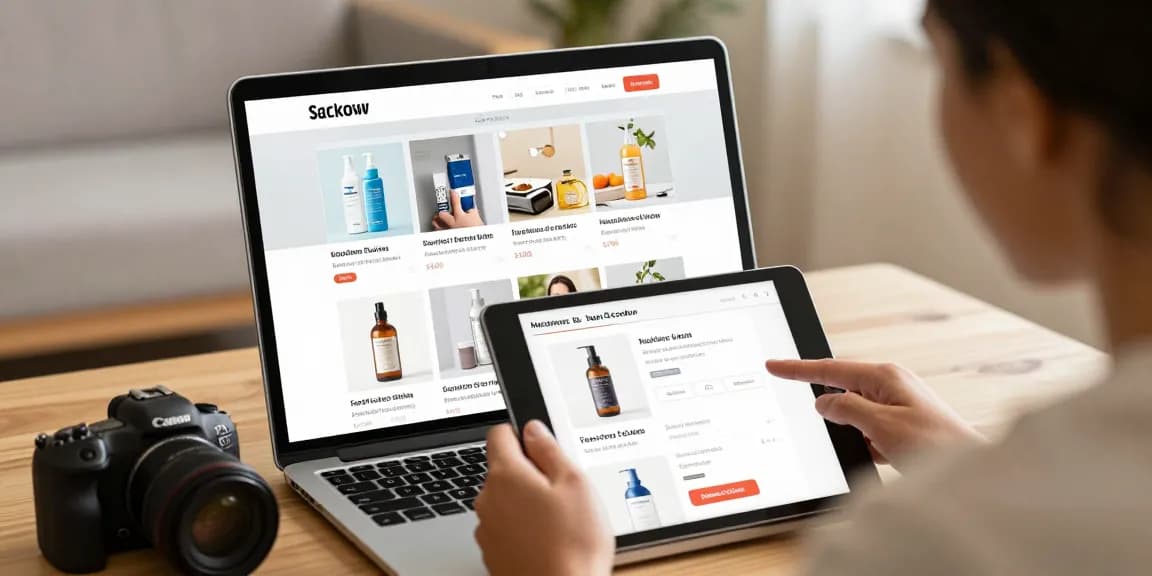
As the e-commerce environment evolves, certain trends are anticipated to shape the future of the Middle Eastern grocery market. A significant rise in health-conscious consumers is driving interest in organic and natural products, with a particular emphasis on the health benefits of items like chickpeas and olive oil. Additionally, e-commerce players are optimizing their platforms for mobile access, making it easier for consumers to shop for their favorite products anytime, anywhere.
2. Top Rated Middle Eastern Grocery Products to Consider
In the vast landscape of online shopping, identifying top-rated Middle Eastern grocery products can significantly enhance the consumer shopping experience. Several items stand out due to their popularity, versatility, and high consumer ratings.
2.1 Comparing Popular Items and Their Benefits
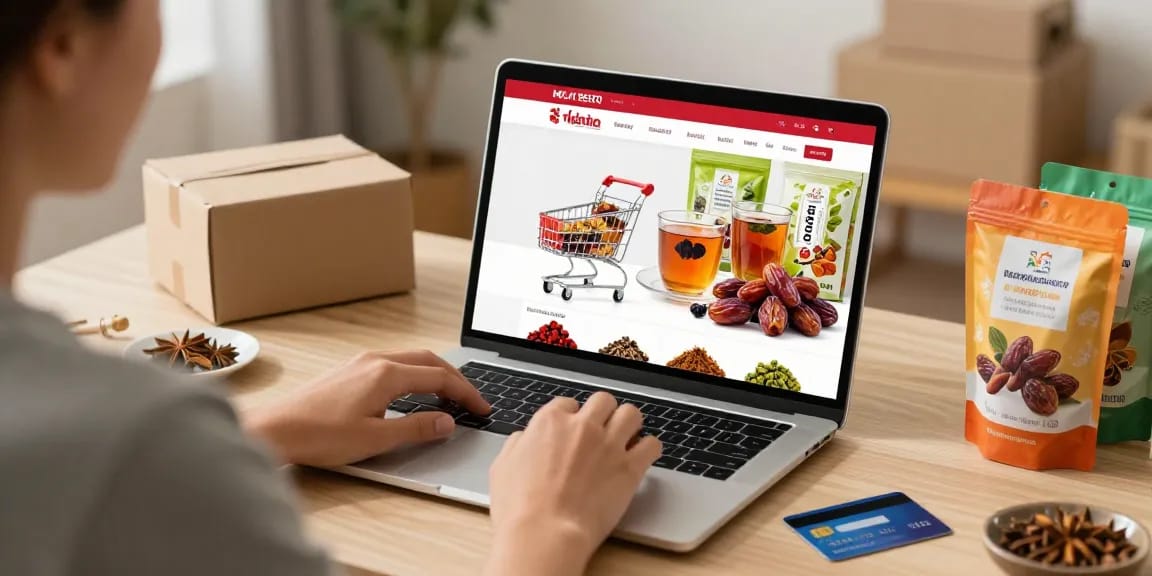
- Fresh Dates: Rich in vitamins and minerals, these naturally sweet delights serve as great snack replacements.
- Halal Pastry: Perfect for holidays and gatherings, offering a taste of traditional baking.
- Spices & Herbs: Essential in adding authentic flavors, such as sumac and cardamom, to everyday cooking.
2.2 Exclusive Deals for Loyal Customers
Implementing loyalty programs can significantly increase customer retention. Exclusive deals on popular items like Healthy & Pure Honey or unique blends can entice customers to return for repeat purchases. Keeping track of customer behavior and preferences will help in tailoring these offers effectively.
2.3 Seasonal Trends: What’s Hot in Middle Eastern Grocery
As seasons change, so do the grocery items in demand. During Ramadan, for instance, dates and specific beverages like Qamar al-Din (apricot juice) spike in popularity. Understanding these seasonal trends can help retailers stock the right items at the right time, enhancing the customer experience while maximizing profits.
3. Crafting a Winning Buying Guide for Middle Eastern Grocery
Providing clear, informative buying guides can significantly improve customer confidence and reduce cart abandonment rates. Here are some key components to include in a well-structured buying guide for Middle Eastern grocery products:
3.1 Determining Your Grocery Budget
Before diving into a shopping spree, consumers should assess their budget carefully. Providing a price range for assorted products and highlighting sales can guide customers toward making informed choices.
3.2 Finding the Best Online Retailers
Comparison shopping becomes crucial when purchasing Middle Eastern products. Retailers must provide clear information regarding product sourcing, certifications, and customer service offerings to foster trust among potential buyers.
3.3 Essential Shipping Options to Consider
Shipping can often be a barrier in e-commerce. Offering multiple shipping options, including express and free pickup, enhances customer satisfaction. Educating customers on the best ways to ship perishable goods can also alleviate concerns about product quality upon arrival.
4. Enhancing Customer Experience Through Reviews and Social Proof
Leveraging customer reviews and social proof plays a crucial role in building trust and enhancing the overall shopping experience.
4.1 Encouraging Customer Feedback
Encouraging existing customers to leave reviews not only bolsters your product credibility but also provides valuable insights for potential buyers. Featuring customer testimonials prominently on product pages can further influence purchasing decisions.
4.2 Utilizing Reviews to Build Trust
Highlighting high ratings and positive feedback on product listings enhances buyer confidence. Studies show that products with ample reviews tend to have higher conversion rates compared to those without.
4.3 Strategies for Leveraging Social Media
Social media platforms offer invaluable avenues to showcase products through user-generated content. Engaging customers with contests or encouraging them to share their food creations using your products can evangelize your brand and organically grow your presence.
5. Future-Proofing Your Middle Eastern Grocery E-commerce Business
As the e-commerce landscape continues to evolve, it's essential for businesses to adapt and innovate to stay ahead of the competition.
5.1 Optimizing Your Online Presence on Marketplaces
Having a robust digital presence across various marketplaces can help in reaching a wider audience. Optimization techniques, such as utilizing high-quality images and detailed descriptions, enhance visibility and drive higher engagement rates.
5.2 Ensuring Payment Security and Buyer Protection
Adopting secure payment methods and showcasing buyer protection policies not only boosts customer confidence but also minimizes cart abandonment rates. Transparent return policies can also improve the likelihood of completing sales.
5.3 Implementing Effective Customer Retention Tactics
In a competitive online grocery market, retaining customers can be as important as acquiring new ones. Strategies might include personalized email marketing campaigns, exclusive offers for return customers, and rewards programs that incentivize repeat business.
FAQs
1. What makes Middle Eastern grocery products unique?
Middle Eastern grocery products are often distinguished by their rich cultural history and traditional preparation methods. Ingredients such as spices, grains, and legumes are staples reflective of the region's culinary diversity.
2. How do I navigate shipping options for perishable goods?
When ordering perishable items such as frozen goods or fresh produce, it's crucial to select shipping options that guarantee fast delivery times. Opt for retailers that provide cold-chain logistics to ensure product integrity.