Understanding Sew In Hair Extensions
Sew in hair extensions have become a prominent choice for individuals seeking to enhance their hairstyles with volume, length, or diversity. This method involves meticulously stitching hair wefts into the natural hair, creating a seamless and natural appearance. As we approach 2026, the popularity of sew in hair extensions continues to rise, driven by innovations in hair technology and evolving fashion trends. When exploring options, sew in hair extensions offer comprehensive insights into both style and practicality.
What Are Sew In Hair Extensions?
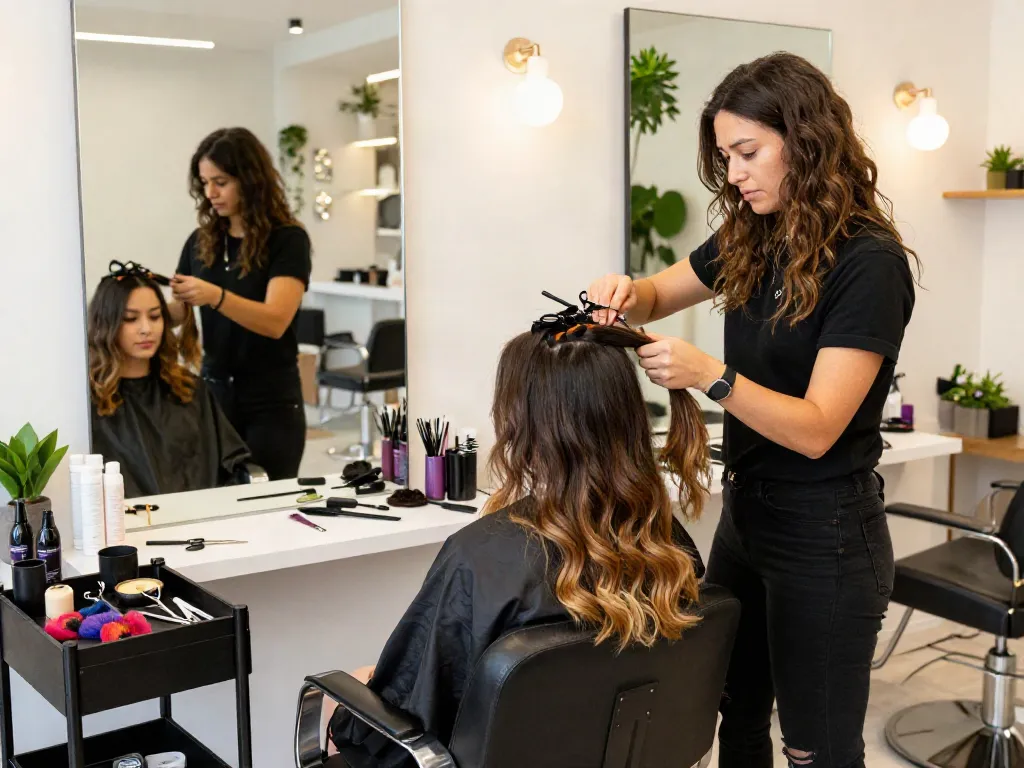
Sew in hair extensions are a type of hair extensions resulting from wefts of hair being sewn into the natural hair using a needle and thread. The method provides a secure fit that allows for various styling options without the need for frequent adjustments. Typically made from 100% human hair, these extensions blend seamlessly with your natural hair, providing a versatile solution for many hair types. This technique can be an excellent way for individuals to achieve their desired hair goals, whether it's adding length, volume, or even experimenting with new colors.
The Benefits of Choosing Sew In Hair Extensions
- Durability: Sew in hair extensions can last anywhere from 6 to 12 weeks with proper care, making them a long-term solution compared to other methods.
- Versatility: These extensions allow for various styling options, including curls, braids, and updos, without compromising the natural look.
- Natural Appearance: The seamless blending with natural hair gives a very realistic and flattering look.
- Less Damage: When applied correctly, sew in extensions can minimize damage to the natural hair, especially when using high-quality extensions.
Common Misconceptions About Sew In Hair Extensions
Despite their growing popularity, several misconceptions about sew in hair extensions can deter potential users. One common myth is that they are only suitable for thick hair, while in reality, they can benefit fine and thin hair when applied appropriately. Additionally, many believe that sew in extensions are overly damaging; however, with the right techniques and high-quality products, they can be quite safe. A proper consultation with a stylist can help dispel these myths and provide personalized solutions for individual hair types.
Choosing the Right Type of Sew In Hair Extensions
Different Materials Used for Sew In Hair Extensions
When selecting sew in hair extensions, the material is one of the most crucial factors. The two primary types are synthetic hair and 100% human hair. Human hair extensions offer a natural look and feel, allowing for styling and coloring just like your own hair. Synthetic options, while often more affordable, may not provide the same versatility or longevity. For optimal results, many stylists recommend investing in high-quality human hair, which tends to blend better with natural hair textures.
How to Pick the Right Color and Length
Choosing the perfect color and length can be overwhelming, particularly with the myriad of options available. A practical tip is to consider your natural hair color and choose extensions that are slight variations, ideally one or two shades lighter or darker. Regarding length, consider your natural hair length and the desired outcome. If you have shorter hair and want significant length, opting for 18 to 22 inches may provide the dramatic change many desire.
Factors to Consider for Different Hair Types
Your hair type significantly influences the selection and application of sew in extensions. For those with curly or textured hair, looking for textured wefts can ensure a better blend. For straight or wavy hair types, smoother wefts will integrate more seamlessly. It’s essential to consult with an experienced stylist who understands your hair type and can recommend the best options.
Application Techniques for Sew In Hair Extensions
Step-by-Step Guide to Sew In Application
- Preparation: Start by washing and conditioning your hair thoroughly to remove any oils and product buildup.
- Sectioning: Divide your hair into small sections using clips, which will help facilitate easier application.
- Braid: Braid the sections of natural hair into cornrows, ensuring they are flat against the scalp for a seamless finish.
- Attach Wefts: Sew the wefts onto the braids with a needle and thread, ensuring they are securely in place.
- Style: Once all wefts are attached, you can style your hair according to your preference, blending the extensions with your natural hair.
Tools and Products Needed for Sew In Extensions
To perform a sew in, you'll need several essential tools, including:
- High-quality hair extensions
- Needle and thread specifically designed for hair
- Hair clips for sectioning
- Scissors for trimming
- Combs for parting and sectioning
Tips for a Flawless Finish
To achieve the most natural look and ensure longevity, consider the following tips:
- Make sure to use the right thread color that matches your natural hair.
- Be careful not to sew too tightly, as this can cause tension on the scalp and lead to damage.
- Blend your natural hair with the extensions using a flat iron or styling tools to create a seamless look.
Maintaining Your Sew In Hair Extensions
How to Care for Sew In Hair Extensions
Proper maintenance is essential for keeping sew in extensions looking fresh and natural. It’s recommended to use sulfate-free shampoos and conditioners to avoid stripping moisture from the extensions. Regularly brushing the extensions with a wide-tooth comb will help prevent tangling and maintain the hair’s natural flow. Additionally, it's crucial to keep the scalp clean and moisturized to prevent dryness and irritation.
Common Maintenance Mistakes to Avoid
Many individuals make mistakes that can shorten the lifespan of their sew in hair extensions. One common error is using products that contain alcohol, which can be drying. Another mistake is neglecting to schedule regular maintenance appointments to ensure that the extensions remain securely sewn and blended. Lastly, washing the hair extensions too often can lead to wear and tear; aim for washing every two weeks unless necessary.
Frequency of Salon Visits for Maintenance
Regular visits to a stylist are vital for maintaining the health and appearance of sew in extensions. It's generally advised to schedule a maintenance appointment every 4-6 weeks. During these visits, the stylist can check for any loose wefts, ensure the scalp is healthy, and re-braid sections of hair if necessary.
Future Trends in Sew In Hair Extensions
Innovations in Hair Extension Materials
As we move toward 2026, advancements in hair technology continue to shape the future of sew in hair extensions. Innovations may include heat-resistant synthetic options that mimic the look and feel of human hair or developments in the application process that reduce the time required for a flawless installation.
Styling Trends for Sew In Extensions in 2026
New styling trends are likely to emerge as fashion grows; natural textures and bold colors are expected to dominate. Mixed textures, where straight and wavy styles are combined, may become increasingly popular, allowing for more creative freedom with hairstyles.
Expert Predictions on the Future of Hair Extensions
Experts suggest that the future of sew in hair extensions will be characterized by a significant increase in personalization options. From customized color matching to personalized fittings, technology will play a vital role in enhancing the overall user experience. Moreover, sustainable practices are anticipated to rise within the industry, with an emphasis on eco-friendly materials and ethical sourcing.
Are Sew In Hair Extensions Safe for Thin Hair?
Sew in hair extensions can be safe for thin hair if applied correctly. It is essential to work with a skilled stylist who understands the intricacies of thin hair and can use the appropriate techniques. Gentle installation and high-quality extensions can ensure that the natural hair remains healthy and unscathed.
How Long Do Sew In Extensions Usually Last?
The longevity of sew in extensions typically ranges from 6 to 12 weeks, depending on the quality of the hair, the technique used, and the maintenance routine followed. Proper care can significantly extend their lifespan, allowing for a more extended wear period.
What Are the Downsides of Sew In Hair Extensions?
While sew in hair extensions offer numerous benefits, they do come with potential downsides. For instance, if installed incorrectly, they can lead to traction alopecia or scalp irritation. Additionally, the initial cost can be higher than other options, requiring a significant investment upfront.
How Much Do Sew In Hair Extensions Cost?
The cost of sew in hair extensions varies widely based on the quality of the hair, the length, and the salon's pricing. Typically, prices can range from $200 to $600, with additional costs for installation, maintenance, and regular upkeep. Investing in high-quality extensions can yield better results and longevity.
What Are the Best Sew In Hair Extensions?
Finding the best sew in hair extensions involves considering various factors such as material, texture, and brand reputation. Leading brands like Goo Goo Hair, Babe Hair Extensions, and BELLAMI offer premium options that cater to diverse needs and preferences. Researching reviews and seeking recommendations can help narrow down the best choices for individual requirements.