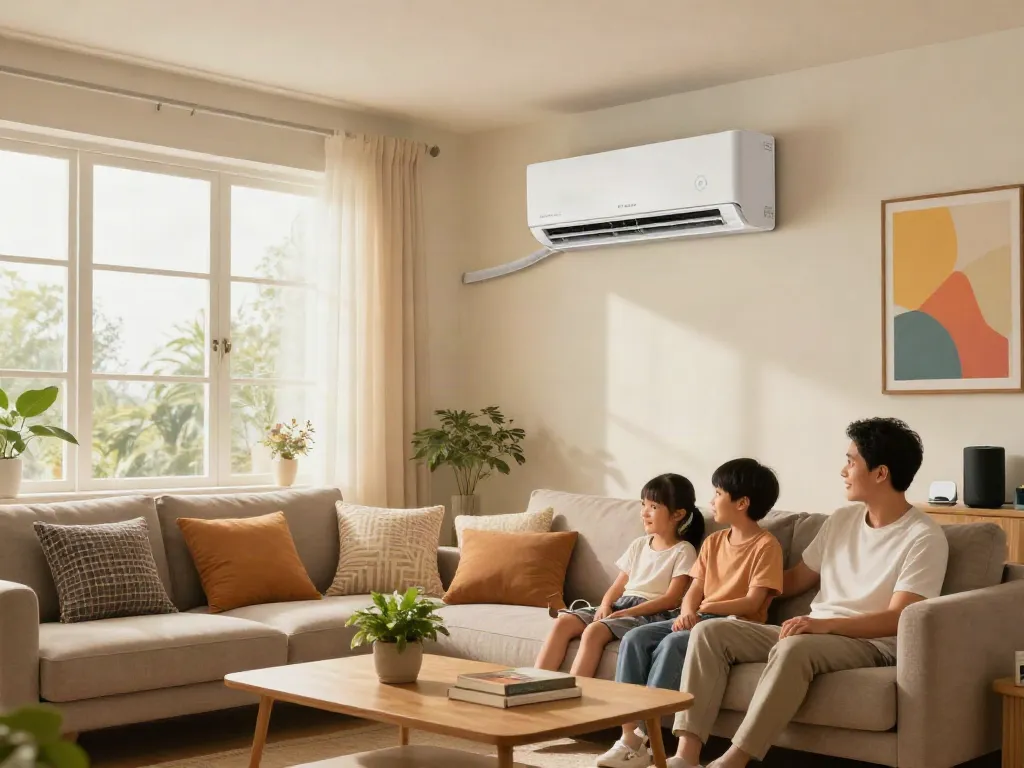
Understanding the 18000 BTU Mini Split System
Choosing the right heating and cooling solution for your home is critical for comfort and efficiency. Among the numerous options available, the 18000 btu mini split system stands out as a leading choice for many homeowners due to its versatility and effectiveness. This article will delve into the intricacies of the 18000 BTU mini split systems, discussing their features, benefits, and essential considerations for selection and maintenance.
What is an 18000 BTU Mini Split?
The term "BTU" refers to British Thermal Units, a measurement of energy used to describe the cooling or heating capacity of air conditioning systems. An 18000 BTU mini split is a ductless system that can efficiently cool or heat spaces up to approximately 1,250 square feet, making it ideal for various residential and commercial applications. It consists of two main components: an indoor air-handling unit and an outdoor compressor. The two units work together to maintain a comfortable indoor environment by circulating refrigerant between them.
Key Features of Mini Split Systems
- Ductless Design: This allows for more straightforward installation and less space consumption compared to traditional HVAC systems.
- Energy Efficiency: Many mini splits come with high Seasonal Energy Efficiency Ratios (SEER), ensuring lower utility bills.
- Zoning Capabilities: They allow for different temperatures in different rooms, providing personalized comfort.
- Quiet Operation: Mini splits operate more quietly than traditional HVAC systems, enhancing indoor comfort without disruptive noise.
Comparing BTU Ratings: Why Size Matters
Understanding BTU ratings is crucial when selecting an air conditioning system. The 18000 BTU rating signifies that the unit can remove 18,000 BTUs from the indoor air per hour. Proper sizing is essential; a system that is too small will struggle to cool your space, while an oversized unit may cycle on and off too frequently, leading to inefficiency and discomfort. For optimal performance, calculate the BTU requirements based on your space’s square footage, insulation quality, and sunlight exposure.
Benefits of an 18000 BTU Mini Split
Efficient Energy Use and Cost Savings
One of the primary advantages of an 18000 BTU mini split system is its energy efficiency. These systems often boast SEER ratings of 15 or higher, significantly better than traditional central air systems. High efficiency means lower electricity bills, making these systems beneficial for homeowners looking to reduce energy costs. Additionally, the ability to heat and cool specific zones in your home ensures you only use energy where needed.
Improved Indoor Air Quality and Comfort
Mini splits often feature multi-stage filtration that enhances indoor air quality by reducing dust, allergens, and other particulates. They also help maintain consistent temperatures throughout your space, reducing cold spots or areas that are too warm. This level of temperature control is crucial for comfort, especially in larger homes or spaces with varying heating and cooling needs.
Flexible Installation Options for Various Spaces
Another significant benefit of the 18000 BTU mini split system is the flexibility in installation. Unlike traditional HVAC systems that require ductwork, mini splits can be installed in virtually any space, including older homes where adding ducts would be impractical. Furthermore, they can be mounted on walls, ceilings, or even floors, offering numerous options to blend with your interior design.
Choosing the Right 18000 BTU Mini Split for Your Home
Factors to Consider in Selection
When selecting a mini split system, consider the following factors:
- Square Footage: Ensure the 18000 BTU rating aligns with your space requirements.
- Energy Efficiency Ratings: Look for units with higher SEER ratings for savings on energy bills.
- Features: Some systems come with smart technology, allowing remote operation through apps or integrations with smart home systems.
- Noise Levels: If the unit will be in a bedroom or living area, check the decibel level for quiet operation.
Top Brands and Their Features
Several brands manufacture high-quality 18000 BTU mini split systems, including:
- Mitsubishi: Known for reliability and innovative technology, Mitsubishi mini splits often include features like wireless controls and multi-zone capabilities.
- LG: LG offers models with high energy efficiency and features such as smart capabilities and advanced filtration systems.
- Senville: This brand provides cost-effective solutions with reliable performance and ease of installation.
Installation Requirements and Procedures
Installing an 18000 BTU mini split typically requires a professional technician, although some homeowners opt for DIY installations. The outdoor unit must be placed on a stable surface and connected to the indoor unit via refrigerant lines, electrical wiring, and drainage pipes. Ensure that the installation adheres to local building codes and manufacturer instructions to guarantee optimal performance.
Maintenance Tips for Mini Split Systems
Regular Cleaning and Servicing
To ensure the longevity and efficiency of your mini split system, regular maintenance is essential. Clean or replace filters every month during peak usage seasons and have a professional service the system at least once a year to check for refrigerant levels and inspect the compressor and fan.
Common Issues and Troubleshooting
Some common issues that mini split users may encounter include:
- Weak Airflow: This could be due to dirty filters or blocked ducts.
- Inconsistent Temperatures: Issues with the thermostat or refrigerant levels may be to blame.
- Noisy Operation: Unusual sounds may indicate loose components or a failing motor.
When to Call a Professional Technician
If you notice persistent issues such as refrigerant leaks, unusual noises, or fluctuating temperatures, it’s best to call a qualified technician. They can diagnose and rectify problems that could potentially lead to costly repairs or replacements if left unattended.
Future Trends in Mini Split Technology
Smart Home Integration and Automation
As technology advances, many manufacturers are incorporating smart technology into mini split systems. Features like Wi-Fi connectivity allow users to control temperatures remotely through smartphone apps, making home management more convenient and energy-efficient.
Energy Efficiency Improvements on the Horizon
Energy efficiency standards are becoming stricter, pushing manufacturers to innovate continuously. Upcoming models are expected to feature even higher SEER ratings, utilizing advanced compressors and eco-friendly refrigerants to minimize environmental impact.
Impact of Climate Change on HVAC Solutions
As extreme weather becomes more common, homeowners are placing a higher emphasis on reliable and efficient heating and cooling solutions. Mini splits address these needs by providing the flexibility and efficiency required to adapt to changing climate conditions.
What is an 18000 BTU Mini Split best suited for?
The 18000 BTU mini split system is ideal for a variety of spaces including living rooms, larger bedrooms, open family rooms, and insulated garages. Its efficiency makes it suitable for homes seeking an effective climate control solution without substantial energy expenditure.
How energy-efficient are 18000 BTU Mini Splits?
18000 BTU mini splits are known for their high energy efficiency, often achieving SEER ratings of 15 or higher. This efficiency translates into lower energy costs and a reduced carbon footprint, making them an environmentally friendly choice.
What features should I look for in a Mini Split?
Key features to consider include energy efficiency ratings, noise levels, smart technology integration, and warranty options. Selecting a model with high-quality filters can also enhance indoor air quality and comfort.
How do I maintain my Mini Split for optimal performance?
Regular filter cleaning and professional servicing are crucial for maintaining optimal performance. Monitoring the system for any unusual sounds or temperature fluctuations can help catch issues early.
Are Mini Splits suitable for all climates?
Yes, mini split systems can function effectively in various climates. They can provide cooling in hot conditions and heating in colder weather, making them versatile for year-round use.