Understanding Home Repair Services in Des Moines Iowa
Homeownership brings a unique set of responsibilities, particularly when it comes to maintaining your property. From routine upkeep to unexpected repairs, homeowners in Des Moines, Iowa, face a range of challenges that necessitate professional assistance. Understanding the types of home repair services Des Moines Iowa offers is crucial for ensuring your home remains in top condition, both for your comfort and investment value.
What are Home Repair Services?
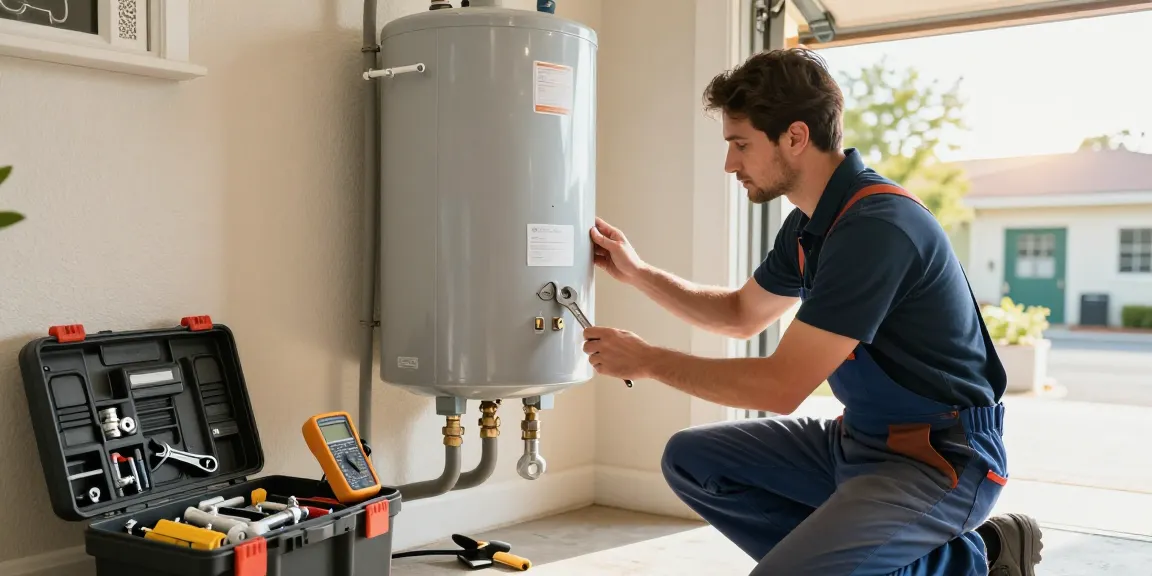
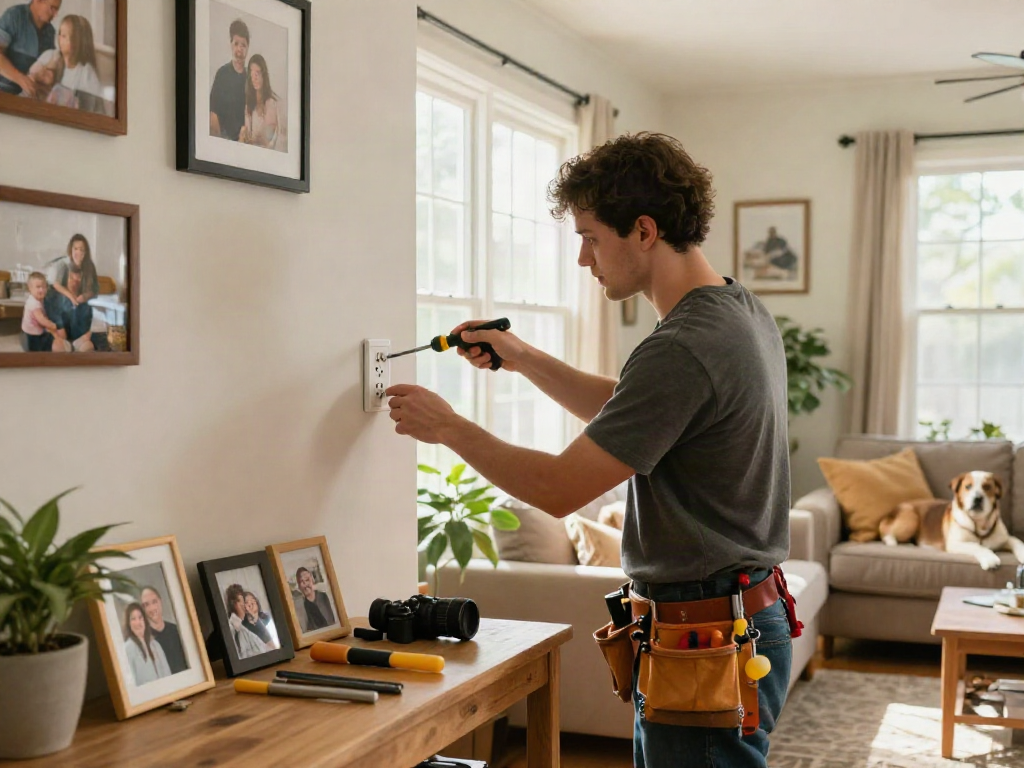
Home repair services encompass a wide array of tasks aimed at maintaining and restoring various aspects of a home. This includes plumbing, electrical work, HVAC repairs, roofing, flooring, and general handyman services. Professionals in the field provide expertise that ensures repairs are done efficiently, safely, and up to code. Whether it's a leaky faucet or a malfunctioning heater, these services are essential for resolving issues that can impact the safety and comfort of your home.
Why Choose Local Services in Des Moines Iowa?
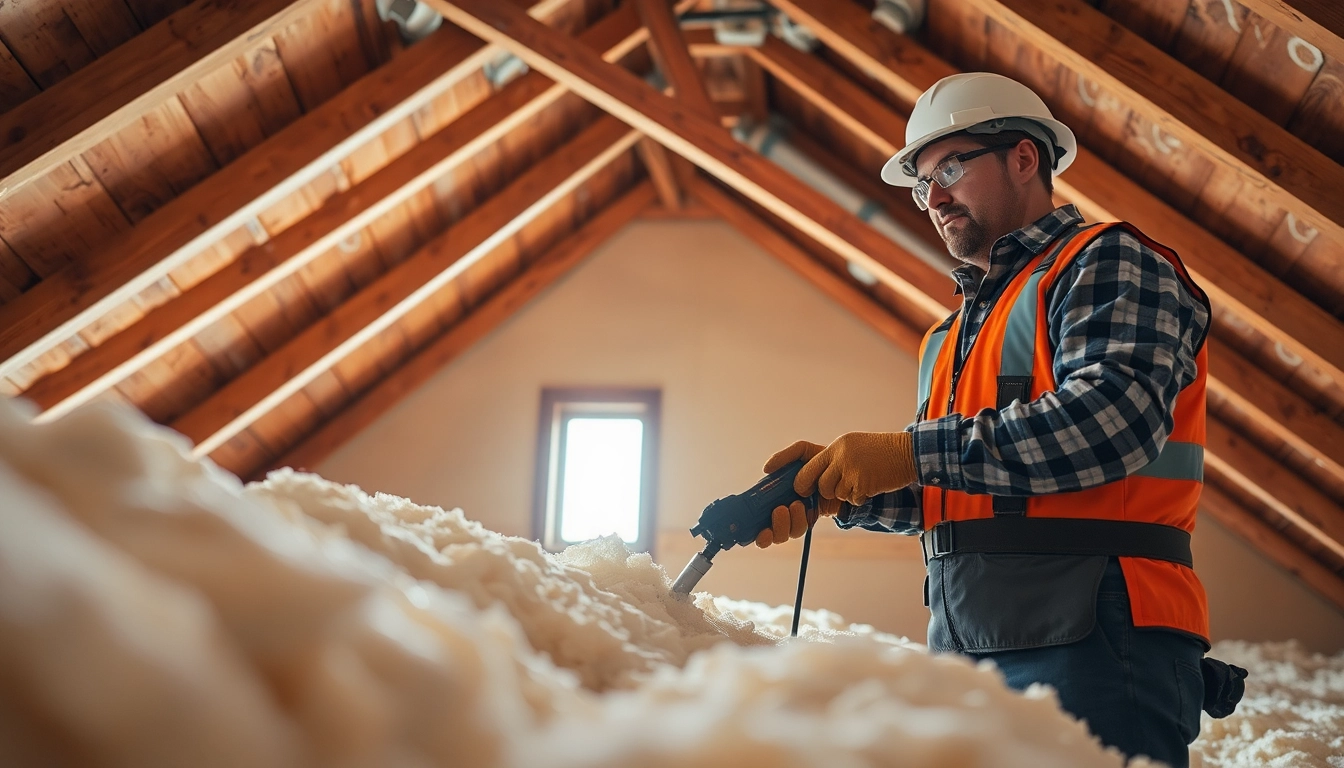
Selecting local home repair services in Des Moines offers several advantages. Local contractors possess an understanding of the unique challenges posed by the Iowa climate, which can affect everything from insulation to roofing materials. Moreover, supporting local businesses fosters community growth and ensures that the money spent remains within the local economy. Close proximity also means faster response times for emergency repairs, often crucial for homeowners facing immediate issues.
Key Benefits of Professional Home Repairs
- Expertise and Experience: Professionals bring years of knowledge and training that enable them to tackle repairs efficiently.
- Safety: Many repairs involve risk; hiring a professional minimizes the potential for accidents.
- Time-Saving: Professionals complete tasks more quickly than most homeowners can on their own.
- Guaranteed Work: Reputable services often offer warranties or guarantees on their work, providing peace of mind.
Common Home Repair Needs in Des Moines Iowa
Identifying Essential Repairs for Older Homes
Des Moines is home to numerous historic houses, many of which require specific attention to maintain their structural integrity and aesthetic appeal. Common repairs include updating electrical systems, replacing old plumbing, and restoring original features. Recognizing these essential repairs is vital for preservation and safety. Older homes may also have unique maintenance schedules that differ from newer constructions, impacting repair timeliness and costs.
Seasonal Maintenance Checklist for Homeowners
To prevent significant repair needs, homeowners should follow a seasonal maintenance checklist. This checklist typically includes:
- Inspecting and cleaning gutters
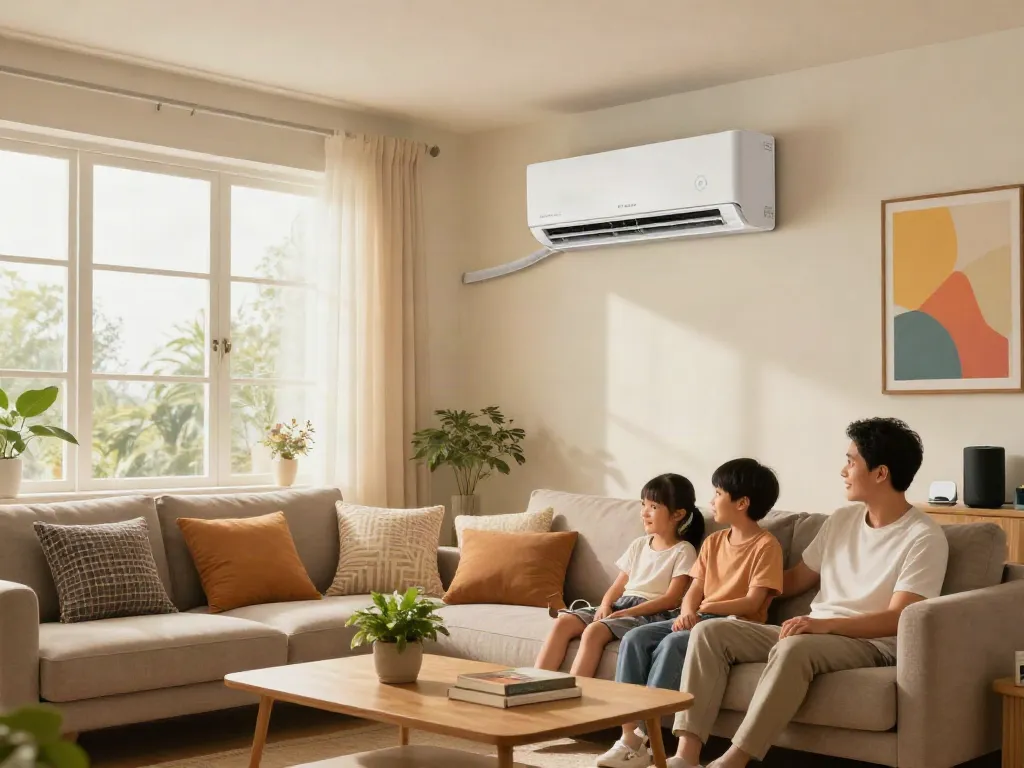
- Checking HVAC systems before summer and winter
- Examining roofs for damage after storms
- Inspecting windows and doors for drafts
- Testing smoke detectors and carbon monoxide alarms
Adhering to this checklist helps mitigate major repairs and enhances the longevity of home systems.
Emergency Repairs: What You Need to Know
Homeowners should be prepared for emergencies, which can range from burst pipes to power outages. Understanding the steps to take during an emergency can save time, money, and stress. It is advisable to have a list of reliable local service providers for various emergencies, ensuring that you can act quickly when an issue arises. Additionally, knowing when to call for help versus attempting a DIY solution is critical for effective management of home emergencies.
Choosing the Right Home Repair Services in Des Moines Iowa
How to Evaluate Home Repair Contractors
When choosing a contractor for home repair, it's essential to evaluate their credentials thoroughly. Look for licensed professionals with good ratings on platforms like Angie's List or Yelp. Additionally, consider how long they have been in business, as longevity often indicates reliability and expertise. Asking for referrals from friends and family can also yield trustworthy recommendations.
Questions to Ask Before Hiring
Prior to committing to a contractor, homeowners should ask several critical questions:
- What is the estimated timeline for the project?
- Can you provide references from past clients?
- What is your payment schedule?
- Do you carry insurance and what does it cover?
- Will you be managing the project personally or delegating it to someone else?
These questions help gauge the contractor’s reliability and ensure transparent communication throughout the repair process.
Reading Reviews and Testimonials Effectively
Online reviews can provide valuable insights into a contractor's reliability and quality of work. When reading reviews, look for patterns in feedback rather than focusing on individual comments. A series of positive reviews praising similar aspects of service is more telling than one-off praise or complaints. Furthermore, consider the timing of the reviews; more recent feedback often reflects current business practices.
DIY vs. Professional Home Repairs
When to DIY and When to Call a Pro
Choosing between DIY repairs and hiring professionals can be challenging. Simple tasks, such as painting or landscaping, might be within a homeowner's skill set. However, more complex repairs, including electrical work or major plumbing issues, should be left to professionals to prevent potentially hazardous situations and costly mistakes. Evaluating your own skills and the complexity of the job is crucial for making the right choice.
Common DIY Mistakes to Avoid
While DIY projects can save money, many homeowners make common mistakes that lead to additional repair costs. These include:
- Underestimating project timelines
- Not having the right tools
- Ignoring building codes or permits
- Overlooking safety measures
Being aware of these pitfalls can help ensure that DIY projects are both successful and safe.
Cost-Benefit Analysis of Hiring Professionals
When weighing the costs of hiring professionals versus DIY, consider both the financial and time implications. While DIY may seem cheaper upfront, the potential for mistakes can lead to higher long-term costs. Additionally, the time spent on projects can take away from other important activities, making hiring a professional a more attractive option for many homeowners.
Future Trends in Home Repair Services
Innovations in Home Repair Technologies
The home repair industry is evolving with technological advancements that improve efficiency and safety. Innovations such as smart home devices, drones for roof inspections, and virtual reality for project planning are becoming more prevalent. These technologies not only enhance the repair process but also provide homeowners with better insights into their properties.
Sustainable Practices in the Home Repair Industry
As climate awareness grows, the demand for sustainable practices in home repairs is increasing. Homeowners are looking for eco-friendly materials and energy-efficient solutions. This trend is pushing contractors to adopt practices that minimize waste and lower energy consumption, aligning with the priorities of environmentally conscious consumers.
What to Expect in the Home Repair Market by 2026
By 2026, the home repair market is expected to continue evolving, with an increase in demand for green building materials and smart home technology. Market research indicates that consumers will prioritize sustainability and energy efficiency when selecting home repair services, driving contractors to adapt their offerings. This shift may also lead to more transparency in pricing and project timelines as homeowners become more informed consumers.
What are the most common home repairs needed?
The most common home repairs typically include plumbing issues, electrical work, roof repairs, and HVAC maintenance. Regular maintenance and prompt attention to these areas can prevent more extensive damage and higher costs down the line.
How can I find reliable home repair services?
Finding reliable home repair services involves researching local contractors, reading reviews, asking for referrals, and checking for licenses and insurance. It's also beneficial to interview multiple contractors to compare services and prices.
What should I include in a home maintenance checklist?
A comprehensive home maintenance checklist should cover seasonal inspections of systems like HVAC and plumbing, gutter cleaning, roof inspections, and routine checks for pests. Staying proactive can help identify potential issues before they escalate.
Are DIY repairs cost-effective?
DIY repairs can be cost-effective for simple tasks; however, complex repairs can lead to higher costs down the line due to mistakes or inadequate solutions. Assessing your own skills and the task's complexity is critical before deciding to DIY.
What are the trends in home repairs for the upcoming years?
Upcoming trends in home repairs include a focus on sustainable practices, increased use of technology for repairs and inspections, and a shift towards smart home integrations. Homeowners are likely to prioritize energy efficiency and eco-friendly materials in their repair decisions.